The Development of Sliding Doors: From Traditional to Modern Styles
The evolution of sliding doors showcases a notable shift in aesthetics and purpose over the centuries. From decorative wooden frameworks in historic castles to sleek, modern glass installations, these doors have evolved with changing tastes and technologies. This journey reflects broader architectural trends and innovations in materials. Appreciating this evolution can inspire selections for present-day spaces and improve residential experiences, inspiring a thoughtful examination of how these components can reshape the meaning of home.
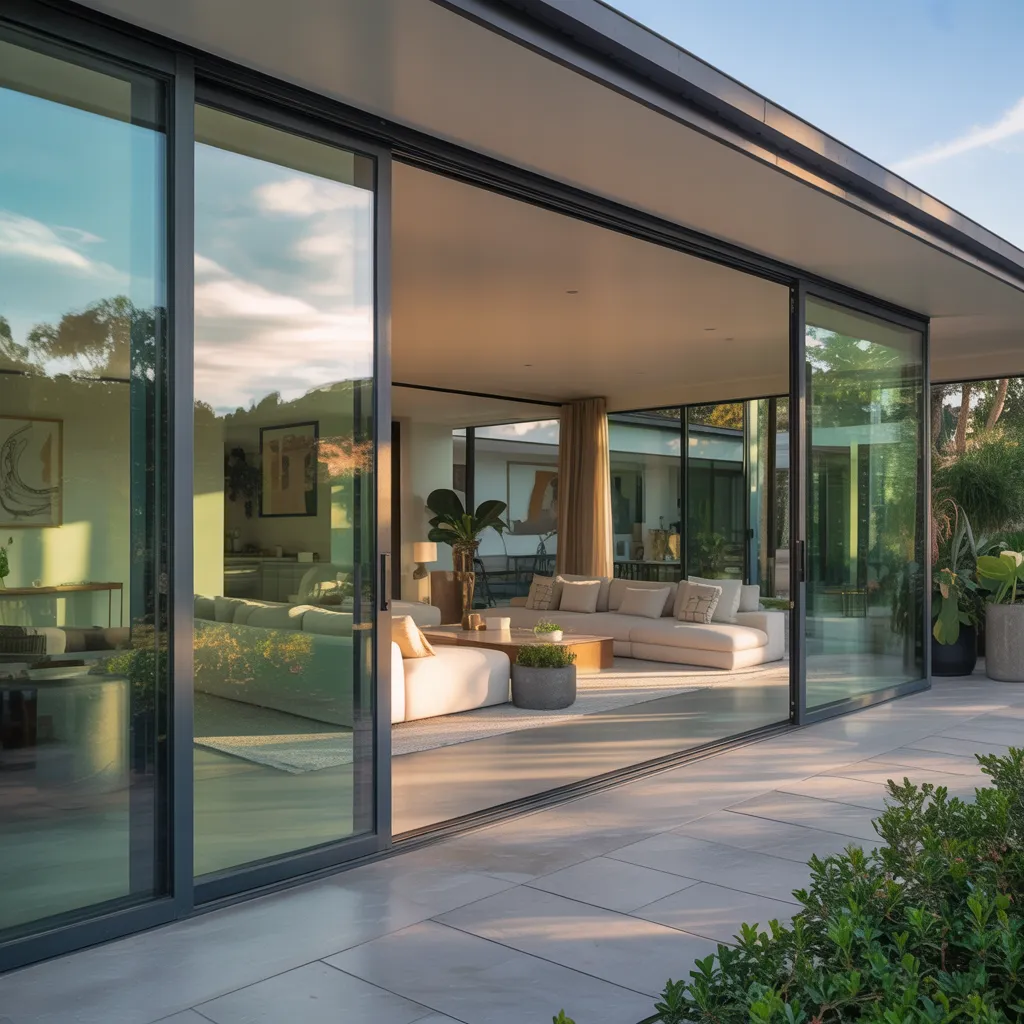
Contemporary Advancements in Sliding Door Technology
Sliding door technology has seen considerable evolution, elevating both practicality and design. Contemporary developments prioritize enhancing user experience via cutting-edge materials and design. Premium-grade glass, for example, provides superior insulation and UV resistance, promoting energy savings while allowing maximum natural light penetration. Moreover, smart system integration facilitates automated sliding mechanisms, commonly operated through smartphone interfaces, significantly improving ease of use.
Moreover, today's sliding doors incorporate sleek, minimalist frames that enhance diverse architectural styles, making them ideal for residential and commercial spaces alike. Upgraded tracks and roller systems guarantee more efficient operation, reducing gradual wear and damage. Tailoring possibilities, including numerous color options and finishes, allow homeowners to adapt doors to suit their unique aesthetic.
Such innovations not only improve the aesthetic appeal of environments but also ensure longevity and performance, representing a transition to modern living that emphasizes both design and utility in sliding door architecture.
The Historical Evolution of Sliding Doors
While frequently linked to contemporary design, the history of sliding doors stretches back millennia. Early societies, such as the people of China and Japan, crafted sliding doors known as “shoji” and “fusuma” panels, employing lightweight materials like wood and rice paper. These designs allowed for adaptable room layouts and effortless transitions between indoor and outdoor spaces.
Throughout the Roman Empire, sliding mechanisms underwent further development, largely to improve convenience in public spaces. The adoption of doors that slide open rather than swing, was found to be practical in heavily populated areas.
Throughout the Medieval period, sliding doors reappeared in European building design, frequently functioning as ornamental features in castles and stately residences. By the 19th century, the Industrial Revolution made possible the large-scale production of sliding doors, resulting in their integration into homes and commercial buildings. This fascinating progression demonstrates the lasting popularity and practical benefits of sliding doors across diverse cultures and historical periods.
Sliding Door Materials Compared: Then and Now
With the evolution of architectural styles, so too did the materials employed in sliding doors, reflecting advancements in technology and design preferences. Throughout history, sliding doors were largely made from wood, taking advantage of its natural appeal and abundance. However, wood's susceptibility to warping and weathering prompted a search for more durable options.
Within current design approaches, materials like aluminum, fiberglass, and composite options have become increasingly popular. Aluminum provides a clean, contemporary look while delivering superior durability and resistance to corrosion. Fiberglass, alternatively, combines energy efficiency with the look of wood, demanding minimal upkeep and offering enhanced weather resistance. Furthermore, glass has established itself as a notable choice, facilitating effortless indoor-outdoor connections and maximizing natural light.
This shift in materials highlights a growing emphasis on utility and sustainable practices, enabling homeowners to choose options that satisfy both design preferences and performance demands.
Picking Classic Sliding Door Options for Your Home
Timeless sliding door options deliver a lasting elegance, blending effortlessly into various home designs. Commonly constructed from timber, these doors radiate charm and sophistication, rendering them ideal for a variety of interior styles from rustic to modern. Popular designs include the classic barn door design, which evokes rustic charm, alongside the pocket door, designed to optimize room space while preserving an elegant look.
Opting for glass panels can enhance natural light and create an open atmosphere, making them perfect for uniting indoor and outdoor environments. Furthermore, ornate hardware, such as classic handles and copyrights, can enhance the timeless aesthetic, lending a one-of-a-kind personality to the home.
When choosing classic sliding doors, homeowners should evaluate architectural elements and color schemes to ensure balance across their living areas. By choosing classic styles, homeowners can achieve an elegant and welcoming atmosphere that embraces both practicality and visual charm.
How to Select the Right Sliding Door for Your Space
Selecting the right sliding door involves careful consideration read now of both materials and appearance. Durability is important, as the preferred material should endure daily use while matching the overall aesthetic. Aligning the sliding door's look with existing design elements produces a harmonious look that enhances the area.
Material Factors For Long-Lasting Performance
Longevity is an essential consideration in the selection of sliding doors, as the appropriate material can significantly impact performance and lifespan. Common materials include aluminum, wood, vinyl, and fiberglass, each offering distinct benefits. Wood offers timeless aesthetic value but may require regular maintenance to prevent warping. Fiberglass is known for its strength and resistance to weathering, making it well-suited for diverse weather conditions. Aluminum delivers a sleek, modern aesthetic while being lightweight, however it can transfer heat and cold. Vinyl requires minimal upkeep and promotes energy efficiency, making it a popular choice for residential applications. When selecting a sliding door, evaluate the level of environmental exposure and frequency of use to guarantee the chosen material meets durability needs while also meeting functional needs.
Style Matching With Décor
Selecting the perfect sliding door can significantly improve the overall appearance of a room. To accomplish style harmony, one must evaluate the present design and architecture. For current settings, refined, clean-lined designs with materials like glass or metal complement modern furnishings. In contrast, traditional spaces are complemented by wooden doors featuring elaborate craftsmanship or classic finishes. Colour also plays a vital role; doors should either harmonize or stand out boldly with surrounding walls, furniture, and accessories. For varied interiors, distinctive textures or striking patterns can serve as statement pieces. Ultimately, the preferred sliding door should not only function well but also align with the overall design vision of the room, guaranteeing a cohesive and inviting atmosphere.
The Way Modern Sliding Doors Elevate Indoor-Outdoor Living
Today's sliding doors considerably elevate the indoor-outdoor lifestyle by fluidly integrating indoor areas with the surrounding environment. These large-scale glass installations offer clear, uninterrupted vistas, allowing natural light to flood into living areas while creating a visual connection to outdoor landscapes. In contemporary designs, slim frames maximize glass surfaces, giving rooms a more expansive and airy feel.
Usability is another critical factor; numerous sliding doors glide effortlessly, allowing for easy movement between indoors and outdoors. This characteristic promotes a more adaptable way of living, facilitating entertaining and everyday activities in a unified space. Additionally, modern materials offer improved insulation and security, ensuring comfort and safety without compromising aesthetics.
Outdoor furniture and landscaping can be seamlessly combined, creating a cohesive environment that enhances relaxation and social interaction. At their core, modern sliding doors not only improve the architectural beauty of a home but also foster a lifestyle that welcomes the natural world and open-space living.

Common Questions and Answers
What Are the Average Costs of Installing Sliding Doors?
The average costs of installing sliding doors generally range from $1,000 to $2,500, based on materials, dimensions, and installation requirements. Homeowners should consider additional expenses such as hardware and potential structural modifications.
How Should I Maintain Sliding Doors Over Time?
Consistent care of sliding doors requires clearing out tracks, applying lubricant to rollers, inspecting seals for damage, and fine-tuning alignment. Ensuring proper function requires routine evaluations to avoid debris accumulation and ensure smooth operation over time.
Do Sliding Doors Offer Energy-Efficient Solutions?
Sliding doors can be environmentally friendly, particularly when fitted with dual or triple glazing. Proper installation and weather stripping enhance their performance, minimizing heat loss and making them an ideal option for energy-aware homeowners.
Are Sliding Doors Available in Custom Options for Unique Spaces?
Sliding doors can indeed be customized to fit unique spaces. Various materials, sizes, and designs allow for tailored solutions, making certain they fulfill both decorative and operational demands, improving the overall charm of any setting.
Which Safety Features Should I Look for in Sliding Doors?
When picking out sliding doors, you should evaluate features like tempered glass for impact resistance, sturdy locking mechanisms to prevent unauthorized entry, anti-lift tracks to deter removal, and automatic safety sensors to reduce the risk of accidental shutting.
Comments on “Why Sliding Doors Provide Space Efficiency”